

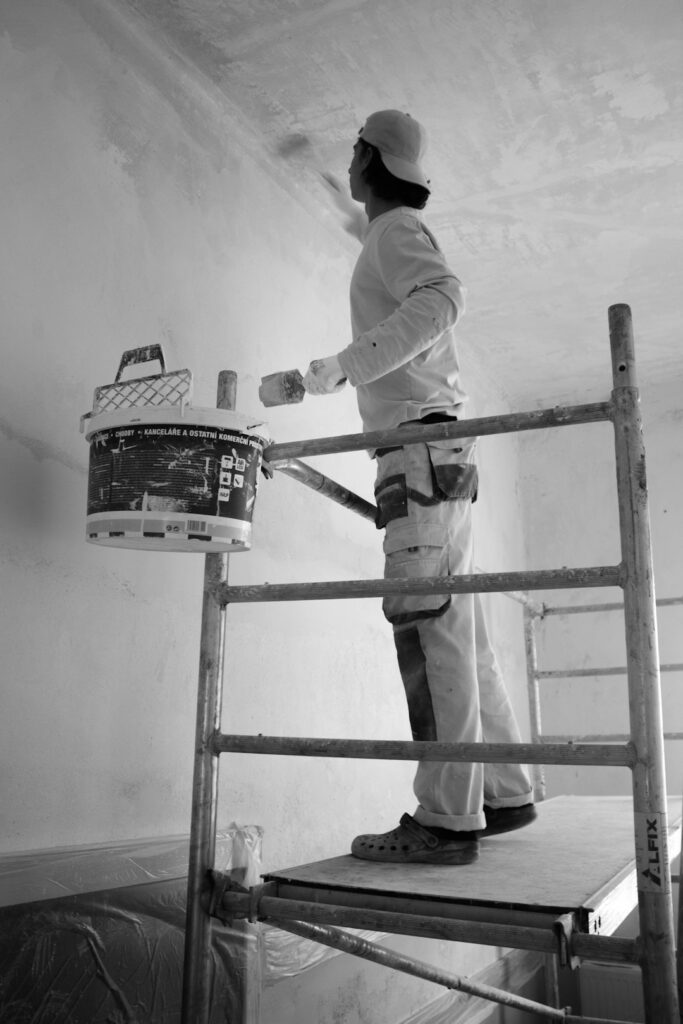
What Should Indianapolis, IN Residents Do Before Painting a Room?
Taking time to prepare a room is crucial for a smooth, professional-looking paint job. For Indianapolis homes, where temperature and humidity can fluctuate, begin by choosing a dry day when possible—avoid painting on high-humidity or rainy days, as these can affect how paint dries and adheres.
Start by clearing as much furniture as possible from the room or repositioning it to the center. Cover everything—including floors—with drop cloths or heavy plastic to protect against drips. Don’t forget to remove outlet covers, switch plates, curtain rods, and hardware; place small parts in labeled bags to avoid losing them.
Clean the walls thoroughly to remove dust, cobwebs, and any greasy spots, especially in kitchens or rooms near hallways commonly used during Indianapolis winters when doorways can get especially dirty. Patch any holes or cracks with spackle and sand once dry. Finish prep by wiping down surfaces with a damp cloth to remove sanding dust.
How Should Surfaces Be Primed and Taped?
Priming and taping are frequently overlooked but make a significant difference. Use painter’s tape to mask trim, baseboards, windows, and door frames. Press the edge down firmly with a putty knife or old credit card to prevent paint bleed—a local handyman trick familiar to many residents.
Prime new drywall, patched areas, or walls with heavy stains to ensure even color and reduce the number of coats needed. In older Indianapolis houses, where previous water damage or smoke stains are common, a stain-blocking primer is often essential. For rooms with intense prior colors or glossy surfaces, primer also helps the new paint adhere better.
What Tools and Materials Are Essential for a Professional Finish?
Quality tools save time and improve results. Typical supplies for rooms in Indianapolis homes include:
- 2- and 2.5-inch angled sash brushes for edging
- 9-inch rollers with medium nap covers (3/8"–1/2") for walls
- Extension poles for high or awkward spaces (especially helpful in two-story homes or rooms with tall ceilings)
- Paint trays and liners
- Ladder or sturdy step stool
Local hardware stores often recommend latex or acrylic wall paint, which dries faster and emits less odor—advantageous when keeping windows cracked is not possible in colder months.
What’s the Best Order for Painting a Room?
Working in the right sequence prevents mistakes and saves cleanup time. Start at the top and work down:
1. Ceiling: Cut in edges first with a brush, then fill in with rollers.
2. Walls: “Cut in” a two- to three-inch border along the ceiling, trim, and corners before using a roller. This lets you blend strokes and avoid seeing brush marks later.
3. Windows, Doors, and Trim: Paint these last so drips or splatters from ceilings and walls don’t ruin your finish.
This approach helps Indianapolis residents avoid rework, especially helpful for rooms with multiple windows or built-in shelving.
How Can Indianapolis Homeowners Achieve Crisp Lines and Even Color?
Crisp edges and streak-free color are hallmarks of professional handiwork. For clean lines, gently pull off painter’s tape while the paint is still slightly tacky, not entirely dry—this prevents the paint from lifting along with the tape.
To avoid streaks and roller marks:
- Use the “W” method with your roller—roll paint on in a W shape, then fill in without lifting.
- Work in sections, overlapping edges before each dries (“wet edge”) to minimize visible lines.
- Don’t overload or underload your roller; too much paint causes drips, too little results in patchy coverage.

In the Indianapolis climate, where indoor heat can accelerate drying, keep a steady pace to prevent overlapping dry edges.
What Paint Types and Finishes Work Best for Indianapolis Households?
Choosing the right paint finish depends on the room’s use and lighting. Flat or matte finishes minimize wall imperfections—great for older homes or rooms with uneven plaster but may not be durable enough for high-traffic areas.
Eggshell and satin finishes work well in living rooms, bedrooms, and hallways. They resist dirt and are easier to clean, which helps local families deal with seasonal mud and dust. For kitchens, bathrooms, and spaces exposed to moisture, choose semi-gloss for added durability and washability.
Latex and low-VOC paints are popular among area households for their fast drying and easier cleanup, especially in homes with children or pets.
Are There Climate or Seasonal Factors to Consider in the City?
Indianapolis’ climate directly affects painting conditions. Ideal temperatures for interior painting range from about 50°F to 85°F, so late spring, summer, and early fall generally offer the best windows. During humid or very cold spells, paint can dry too slowly or fail to cure properly—leading to smudges or uneven surfaces.
Ventilation is critical. Open windows and use fans if weather allows. Winter jobs may require extra care—most paints work best above 50°F, so keep the room heated, but avoid closed, stuffy environments that trap humidity.
What Are Common Pitfalls for Local DIY Painters?
The most frequent issues among Indianapolis area residents who paint their own rooms include:
- Skipping proper prep, leading to peeling or uneven finishes
- Failing to use primer when necessary, especially on patched surfaces or after repairing water damage
- Rushing between coats—always let primer and paint dry completely according to manufacturer’s directions, which may take longer in damp basements or during rainy weeks
- Overbrushing or over-rolling, which can leave streaks and texture
Taking the time to follow each step carefully saves time overall and creates a result that rivals professional handyman work.