

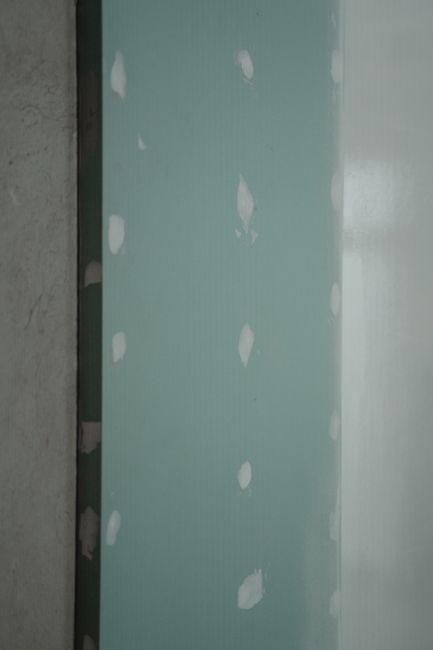
What Causes Small Holes in Drywall?
Small holes in drywall often occur from daily living. Common reasons in Indianapolis, IN homes include:
- Nail or screw removal (from hanging pictures or shelves)
- Door handle impacts
- Minor accidents during moving or furniture rearrangement
These holes are usually cosmetic and don't affect the wall's structural integrity. They can be easily repaired with some basic tools and readiness.
Which Tools and Materials Are Needed?
For most patching projects, area households will only need items often already on hand:
- Spackle or lightweight joint compound
- Putty knife (2–4 inches is a practical size)
- Fine grit sandpaper (120–220 grit)
- Small paintbrush or roller
- Primer and matching wall paint
- Clean cloth or sponge
For slightly larger openings (about the size of a quarter), you may want to use a self-adhesive mesh patch.
How Should Surfaces Be Prepared Before Patching?
Proper preparation makes for smoother, longer-lasting drywall patches in the city. First, brush off any loose crumbly drywall or flaking paint. For dust, lightly wipe with a damp cloth and let the area dry completely. Avoid using excess water, especially in older homes where moisture can seep into plaster behind the drywall.
If the hole edges are ragged, gently trim them with a utility knife so the patch area is solid and flat. Removing loose particles avoids bumps that show through after painting.
What Is the Correct Way to Apply Spackle or Joint Compound?
Fill the hole in small amounts for the neatest result:
1. Scoop a bit of spackle onto the putty knife.
2. Press the compound firmly into the hole so it fills from the back out.
3. Smooth the surface with the knife, feathering beyond the hole so no raised ridge appears.
For holes smaller than a dime, one application is usually enough. Let it dry as directed on the package (typically 30 minutes to a few hours).
If the repair shrinks or sinks, apply a thin second layer after the first dries.
Do Small Repairs Need to Be Sanded?
Yes, sanding is necessary for a nearly invisible patch. Once the patch is dry, use a fine grit sandpaper to smooth the area flush with the wall. Sand gently in a circular motion to blend the compound with surrounding paint or texture.
Many Indianapolis residences have slightly textured drywall finishes common in Midwest homes. For a very subtle texture, try using a lightly dampened sponge in a dabbing motion just before the last coat dries to mimic surrounding wall patterns.
Should Primer and Paint Be Used After Patching?
Spot-priming patched areas is typically needed for a seamless blend and to prevent "flashing," where spackle shows through paint. Use a small brush for primer—let it fully dry. Then, apply at least one coat of matching wall paint.
Color matching can be challenging if walls have faded over time. If possible, use leftover paint from a prior project. For older homes, it may help to paint corner to corner when a perfect match is hard to achieve.
Are There Seasonal or Local Factors to Consider?
Indianapolis experiences wide swings in humidity across the year. Drywalled interiors can shrink or shift in late winter and early spring, sometimes revealing additional small cracks or holes. It’s best to patch holes when humidity is moderate, avoiding extremely humid or dry days, to allow even drying and minimize future cracking.
Local homes, especially those built in the mid-20th century, can have thicker paint layers. In these cases, carefully feathering the patch edges and allowing each layer to dry fully helps hide the repair.
What Common Mistakes Should Be Avoided?
Many residents make these avoidable mistakes:
- Overfilling holes, resulting in hard-to-sand lumps
- Skipping sanding, so the repair shows after painting
- Skipping primer, causing different gloss levels
- Attempting to patch in humid basements or bathrooms without ensuring dryness
If a wall area is repeatedly damaged, consider using a bumper or doorstop to prevent future holes from recurring in the same spot.
Can All Small Holes Be Safely Patched by Homeowners?
Nearly all small drywall holes, including those up to the diameter of a quarter, can be repaired by residents with some patience and basic supplies. If the hole reveals electrical wiring, a pipe, or seems to involve moisture, it’s safest to pause and investigate the cause before proceeding. Water stains or crumbling drywall may signal a roof, plumbing, or insulation issue beyond surface patching.
By following these steps, most community members find repairs simple, cost-effective, and surprisingly rewarding.