

What Should You Do First If the Power Goes Out in Indianapolis, IN?
Start by quickly checking whether the outage affects only your home or the whole area. If your house suddenly loses power, look outside to see if your neighbors' lights or streetlights are also off. In many Indianapolis neighborhoods, especially older areas with above-ground lines, outages can be isolated to one street or block.
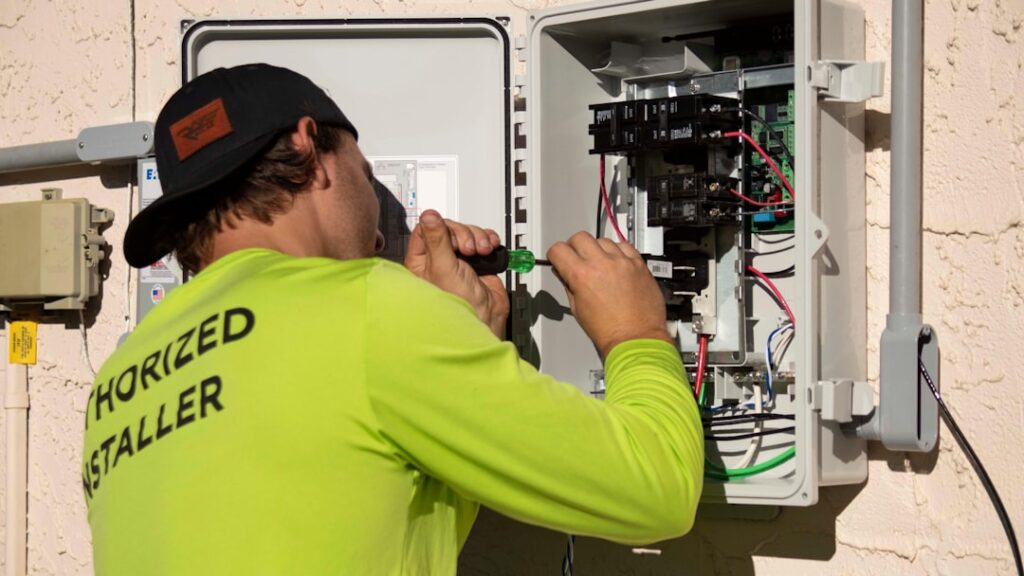
If your neighbors still have electricity, check your circuit breakers. Sometimes a tripped breaker or blown fuse can knock out power in part or all of your home. Safely open your breaker box and look for any switches that are not in their usual "on" position. If you reset a breaker and it immediately trips again, this could signal a more serious electrical issue that requires special caution.
If the whole block or street is dark, it's likely a larger outage. In these cases, avoid repeatedly switching breakers—wait for the wider issue to be resolved.
How Can You Safely Navigate a Power Outage?
Home safety comes first. Use flashlights instead of candles to reduce fire risk, especially in homes with children or pets. Keep a flashlight or battery-powered lantern in a known spot for emergencies.
If you have electric-powered medical equipment, follow your pre-arranged emergency plan or use backup battery supplies. In cold weather, layer clothing and use extra blankets, as most heating systems in the city rely on electric controls. On hot summer days, move to lower floors or a shaded part of your home to stay cool.
Unplug sensitive electronics, such as computers and televisions, to protect them from power surges when electricity is restored.
When Should You Report an Outage, and How Can You Do It?
Report an outage if your home is affected and you see no indication that utility crews are already aware—like absent work vehicles or no updates online. The primary electric utility serving Indianapolis maintains online reporting systems and automated phone lines for this purpose.
Be ready to provide your address and details about any downed power lines or strange noises, such as loud transformer hums or pops. Never approach fallen wires or attempt to move tree limbs from anywhere near lines. Treat all wires as live and extremely dangerous.
What Are Some Common Misconceptions About Power Outages in Local Homes?
A frequent misunderstanding is that opening refrigerators frequently is a minor issue. Actually, keeping fridge and freezer doors closed as much as possible stops food from spoiling quickly. During Indianapolis, IN outages, a refrigerator can keep food cold for about 4 hours if left closed, and a full freezer for up to 48 hours.
Another misconception is that running a portable generator in a garage or enclosed porch is safe. Even with the door open, this can lead to deadly carbon monoxide buildup. Always operate generators outdoors, far from windows or air intakes.
Some residents also believe that “flickering” power means it's safe to continue using all appliances. Power surges or intermittent supply can harm electronics—err on the side of caution and unplug delicate devices.
How Can You Prepare for Power Outages in Advance?
Preparation makes outages less stressful. Create an emergency kit with:
- Flashlights, lanterns, and spare batteries
- Bottled water (at least 1 gallon per person, per day)
- Ready-to-eat foods and snacks that don’t require refrigeration
- A battery-powered or hand-crank radio for updates
- Portable phone chargers, charged in advance

Review local weather forecasts—outages often follow storms or heavy wind events, especially during Indiana’s unpredictable spring and summer weather. Trim any overhanging branches in your yard that could threaten lines in a storm.
If anyone in your home depends on powered medical equipment, register with the utility’s priority restoration program and develop a backup plan with friends or family if an extended outage occurs.
What Local Factors Affect Outages in This Area?
Indianapolis neighborhoods may experience outages due to storms, ice buildup, or equipment failure, especially during peak air conditioning season or heavy winter ice storms. Many area households have above-ground lines that are vulnerable to falling tree branches.
In the city, restoration may be faster for densely populated areas, but some older neighborhoods with outdated infrastructure might see slower repairs. Local residents should also monitor city announcements or utility updates during widespread outages, especially during hazardous weather conditions that may delay crews.
How Long Do Power Outages Usually Last in Indianapolis Homes?
Most unplanned outages last only a few hours, but after major storms—particularly summer thunderstorms or winter ice—restoration can take a full day or more. Utility crews prioritize repairs that restore service to the greatest number of households first, so individual blocks or small neighborhoods may wait longer if the problem is localized.
Keep battery-powered devices ready and rely on local news stations or official apps for estimated restoration times. Avoid spreading rumors or relying on unverified social media posts during large-scale outages.