

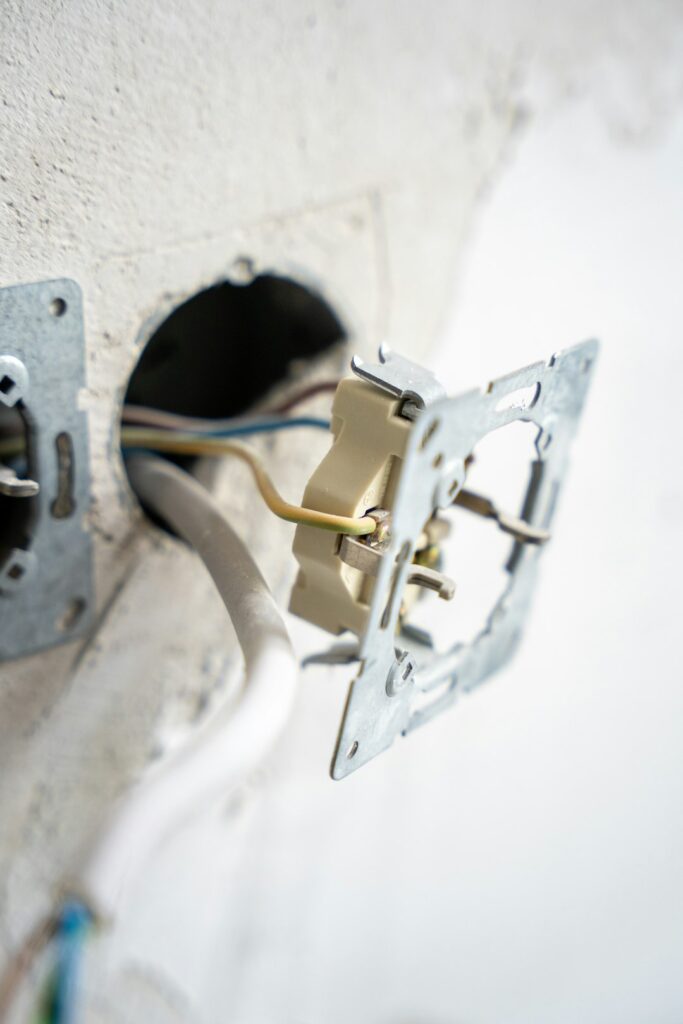
Can a Beginner Change an Electrical Outlet at Home?
Yes, a resident with basic tools and safety awareness can usually change a standard electrical outlet. Still, understanding the process and knowing when to seek additional help is crucial. Many homes in Indianapolis feature wiring that reflects the era of construction—older homes may have outdated wiring, while newer homes tend to have safer, grounded systems. Regardless of age, always prioritize personal safety and double-check local building codes.
What Tools and Materials Are Needed?
The project requires some basic tools and replacement parts, all of which can be found at hardware stores across Indianapolis. You’ll need:
- Flathead and Phillips screwdrivers
- Wire stripper/cutter
- Voltage tester (non-contact preferred)
- Needle-nose pliers
- New outlet (ensure correct type—15A or 20A, grounded if appropriate)
- Matching outlet cover plate
For aluminum wiring (found in some older houses), special connectors or outlets rated for aluminum may be necessary. If your home uses aluminum wiring, consult licensed expertise first, as improper handling can increase fire risk.
How Do You Shut Off Power Safely?
Shutting off power at the breaker panel is essential before starting any electrical project. In Indianapolis homes, panels are often found in basements, garages, or utility rooms. Here’s how to do it:
1. Identify which circuit breaker controls the outlet you want to replace. Typical labeling includes room names.
2. Flip the breaker to the “off” position.
3. Plug a lamp or use a voltage tester in the outlet to ensure it’s truly off.
4. For extra precaution, tape a note over the breaker or tell household members that you’re working.
What Steps Are Involved in Removing and Replacing an Outlet?
Changing an outlet involves removing the old unit and installing a new one while maintaining correct wiring. Here’s the process:
- Remove the cover plate using a screwdriver.
- Unscrew the mounting screws securing the outlet to the box.
- Carefully pull the outlet out, exposing the wires.
- Use your voltage tester on each wire to verify power is off.
- Note how each wire is connected—take a photo to help remember.
- Loosen screws to disconnect black (“hot”), white (“neutral”), and bare/green (“ground”) wires.
- Prepare the wires: trim and strip if insulation is damaged or if needed for the new outlet.
- Connect each wire to the corresponding terminal on the new outlet:
- Black to brass or gold screw (“hot”)
- White to silver screw (“neutral”)
- Bare/green to green screw (“ground”)
- Carefully tuck wires back into the box, secure the new outlet with screws, and attach the cover plate.
Check that connections are tight but not overly so, as overtightening wires or screws can damage the outlet or box.
What Problems Are Common When Changing Outlets in Indianapolis Homes?
Certain factors come up regularly for the local community. For example:
- Outlet boxes in older homes may be shallow, making it harder to fit modern, bulkier outlets.
- Some outlets lack a ground wire, especially in pre-1960s construction. If there’s no ground, replacing a two-prong outlet with a three-prong one may not be code-compliant. This limits the kinds of outlets that can safely be installed.
- Painted-over outlet edges or screws are frequent in homes with multiple renovations; scoring around the cover plates with a utility knife can help prevent chipped paint.
- If more than three wires are present, or if wires look frayed or brittle, pause and consider consulting city code resources or seeking further guidance before proceeding.
Are Special Codes or Permits Required in the City?

Generally, small repairs like swapping a standard outlet do not require a permit in Indianapolis if you are the homeowner. However, if the update involves increasing circuit size, installing new outlets, or any situation involving aluminum wiring or changing bathroom/kitchen outlets to GFCI, area code may specify additional requirements.
For the latest codes, consult the Department of Business and Neighborhood Services website or use their guidance for homeowner electrical projects. DIY work must adhere to the National Electrical Code (NEC), which is enforced by city inspectors during permitted residential renovations.
How Do You Test the New Outlet After Installation?
Testing is straightforward and ensures the outlet functions safely:
- Restore power at the breaker panel.
- Insert a voltage tester in both slots—there should be voltage (typically around 120V).
- Plug in a lamp or device to confirm it works.
- For GFCI outlets, press the “test” and “reset” buttons to check safety function.
If the outlet does not function or the breaker trips, double-check your wiring connections. Persistent issues could signal wiring faults requiring expert inspection.
What Safety Tips Should Beginner DIYers in the Area Remember?
Electrical safety cannot be overemphasized, especially during humid or stormy months when area homes may be at higher risk of moisture intrusion. Tips include:
- Never work in damp conditions or near water.
- Only use outlets rated for their circuit’s capacity (15A or 20A).
- If old wiring insulation crumbles or you see unusual colors (not just black, white, green), pause the project.
- Never install a three-prong outlet on an ungrounded system without proper adapters or code-compliant procedures.
When Is It Best to Get Expert Help Instead?
While the process is beginner-friendly for most dry, straightforward locations, call a licensed professional if:
- You encounter cloth-insulated, brittle, or aluminum wiring.
- The outlet sparks, feels warm, or smells burned.
- The outlet is part of a kitchen, bathroom, or exterior circuit and requires GFCI.
- The breaker panel or wiring looks damaged or is unlabelled.
Indianapolis residents benefit most by seeking help when wiring strays from the routine. Area electricians can also advise on energy codes and safety upgrades appropriate to home age, climate, and building style.