

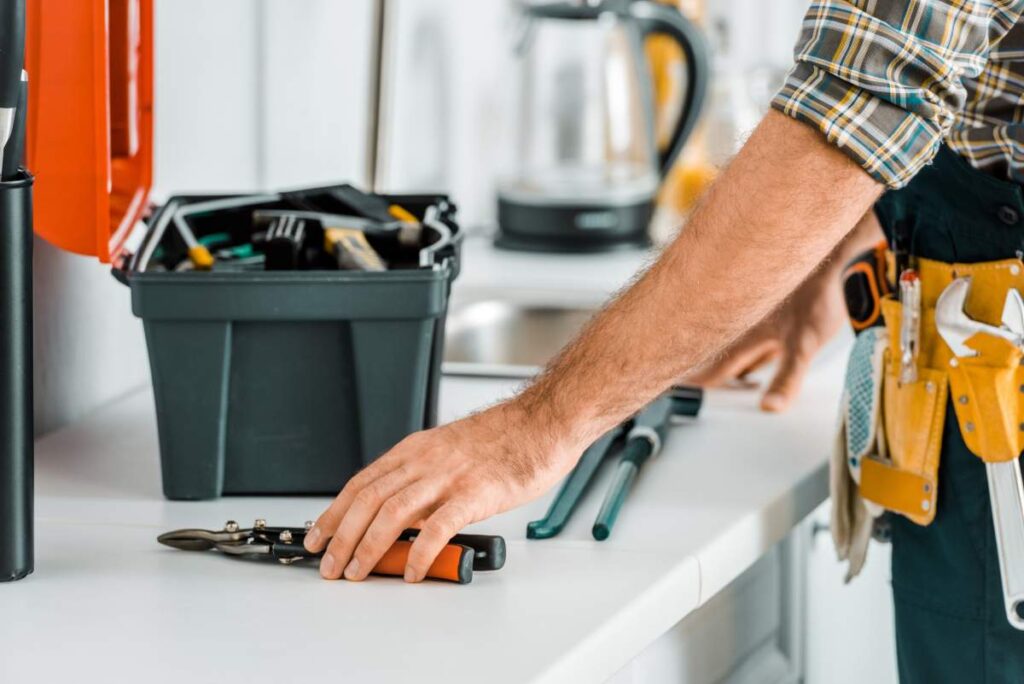
Winter weather can expose small home maintenance problems before they become expensive repairs. In Indianapolis, IN, freezing temperatures, wind, snow, ice, and rapid temperature changes can affect plumbing, roofing, windows, doors, heating systems, and exterior surfaces.
Winterizing a home means preparing these areas before severe cold arrives. Some tasks take only a few minutes, while others require basic handyman skills, careful inspection, or qualified help when electrical, gas, structural, or hazardous conditions are involved.
What should homeowners check first?
Start with the parts of the home that can allow cold air or water to enter. A quick inspection of the exterior and interior can identify many common winter problems.
Look for:
- Cracked or loose caulk around windows and doors
- Gaps beneath exterior doors
- Damaged weatherstripping
- Loose siding, trim, or exterior fixtures
- Clogged gutters and downspouts
- Missing or damaged roof shingles
- Water stains on ceilings or upper walls
- Exposed plumbing in unheated areas
- Drafts around utility openings, vents, and attic access panels
Addressing these issues before freezing weather is especially useful in older homes, where settling, aging materials, and previous repairs may leave small openings.
How can a home be protected from freezing pipes?
The most effective pipe protection combines insulation, heat, and preparation. Pipes are especially vulnerable in basements, crawl spaces, garages, exterior walls, and other areas that are not consistently heated.
Insulate exposed water lines with properly sized pipe insulation. Pay special attention to pipe sections near foundation walls, windows, vents, and exterior doors. Insulation slows heat loss, but it does not create heat, so extremely cold areas may still need additional protection.
Before a severe freeze:
- Disconnect and drain garden hoses.
- Close interior shutoff valves serving outdoor faucets, if available.
- Open exterior faucet drains where the plumbing design allows it.
- Repair dripping faucets and leaking valves.
- Keep garage doors closed when water lines pass through the garage.
- Open cabinet doors beneath sinks on especially cold nights if pipes are located against exterior walls.
If a faucet stops producing water during freezing weather, do not use an open flame to thaw the pipe. Turn off the main water supply if a burst is suspected, then inspect for leaks as the pipe warms. Frozen pipes can split before water begins flowing again.
What should be done around doors and windows?
Drafty doors and windows increase heating demand and can create cold spots that lead to condensation. Weatherstripping is often more effective than adding temporary plastic coverings, although window coverings may help in older or unusually drafty homes.
Check whether doors close firmly against their frames. Replace worn weatherstripping and repair damaged door sweeps. Small gaps around window frames can often be sealed with appropriate exterior-grade caulk, but deteriorated wood or visible water damage should be repaired rather than simply covered.
Condensation on the inside of windows does not always mean the window is failing. It may result from high indoor humidity, poor air circulation, cooking, bathing, or drying clothes indoors. Persistent moisture can contribute to mold, peeling paint, and wood damage. Use exhaust fans, maintain reasonable indoor humidity, and keep warm air moving near cold glass.
How should gutters and the roof be prepared?
Gutters should be cleared before repeated freezing temperatures. Leaves, sediment, and roof granules can block water flow, causing overflow near foundations or allowing ice to build along the roof edge.
Inspect gutters for:
- Sagging sections
- Loose fasteners
- Separated joints
- Cracks or rusted areas
- Downspouts that discharge too close to the foundation
- Extensions that have shifted or become blocked
Roof inspections should focus on missing shingles, damaged flashing, exposed nail heads, and areas where water has entered the attic or ceiling. Avoid walking on icy or snow-covered roofs. Ground-level inspection with binoculars can reveal some issues, while steep, damaged, or hazardous roofs require appropriate safety equipment and qualified assistance.
Ice dams are not caused simply by cold weather. They typically form when heat escapes into the attic, warming part of the roof while roof edges remain cold. Adequate attic insulation, air sealing, and ventilation can reduce the risk, but these improvements must be installed correctly to avoid trapping moisture.
Does the heating system need seasonal maintenance?
A heating system should be tested before the first sustained cold spell. Replace or clean the filter according to the equipment requirements and household conditions. Homes with pets, renovations, or high dust levels may need more frequent filter changes.
Check that:

- Supply and return vents are open and unobstructed.
- Furniture is not blocking registers.
- Thermostats respond properly.
- Unusual odors, noises, or short cycling are investigated.
- Carbon monoxide detectors are installed where appropriate and tested.
- Mechanical rooms have the required clearance and ventilation.
Do not cover heating vents to redirect warmth into another room. This can interfere with airflow and place unnecessary strain on the system. If a fuel-burning appliance produces soot, persistent unusual odors, or signs of incomplete combustion, stop using it and seek qualified assistance.
Which outdoor tasks are easy to overlook?
Cold weather can damage exterior materials that remain wet or exposed. Store or protect items that are not designed to stay outside, including hoses, lightweight furniture, garden tools, and certain decorative fixtures.
Trim branches that rub against the roof or contact utility lines, but do not attempt work near energized electrical lines. Secure loose shutters, railings, screens, and exterior panels before strong winds arrive.
Concrete and masonry should be inspected for cracks that may expand when water freezes. Avoid using excessive deicing material on concrete, steps, and walkways because repeated chemical exposure can damage surfaces and nearby plants. Shovel early when practical, and use traction materials appropriate for the surface.
What indoor safety checks matter during winter?
Winter often means closed windows, portable heaters, candles, fireplaces, and longer periods indoors. These conditions make basic safety checks worthwhile.
Keep portable heaters on stable, nonflammable surfaces and away from curtains, bedding, furniture, and walkways. Do not use extension cords that are not rated for the heater’s electrical load. Never leave a portable heater operating unattended.
Fireplaces and wood-burning appliances should have clearances maintained around them. Ashes must be fully cooled before disposal and should be placed in a covered metal container away from combustible materials.
Test smoke and carbon monoxide alarms, replace batteries when needed, and keep exits clear. A handyman can often address small repairs such as loose handrails, sticking doors, damaged weatherstripping, and minor drywall or trim problems, but gas, electrical, structural, and hazardous-material concerns require specialized attention.
How should an unoccupied home be prepared?
A vacant home needs more planning than a lived-in property. Set the thermostat high enough to reduce freezing risk, arrange for regular inspections, and make sure someone knows where the main water shutoff is located.
If the water will be shut off, the plumbing may also need to be drained properly. Simply turning off the supply does not remove water from all pipes, fixtures, appliances, or heating equipment.
Ask an inspector to check for:
- Loss of heat
- Frozen or leaking pipes
- Roof or gutter damage
- Broken windows
- Water intrusion
- Ice buildup near entries
- Electrical or alarm issues
Winter preparation is most effective when completed in stages: inspect first, repair openings and leaks, protect plumbing, test heating and safety equipment, and monitor the home during the coldest periods. That approach helps area households avoid preventable damage while keeping maintenance decisions focused on actual conditions.